
A GLOBAL INITIATIVE FOR PLANETARY HARMONYFor The Future
For The Future
of Our Living World
Advancing empirical science and non-lethal stewardship so wild ecosystems and human communities thrive side by side.








Advancing empirical science and non-lethal stewardship so wild ecosystems and human communities thrive side by side.
Our biosphere faces rapid habitat fragmentation and biodiversity loss. Lasting conservation requires moving beyond reactive conflict models to foster regenerative coexistence.
When wild species encounter working landscapes, lethal removals disrupt trophic cascades and strain rural livelihoods.
For The Future equips regional stewards with non-invasive deterrents, empirical telemetry, and community-led frameworks that protect both keystone predators and working lands.

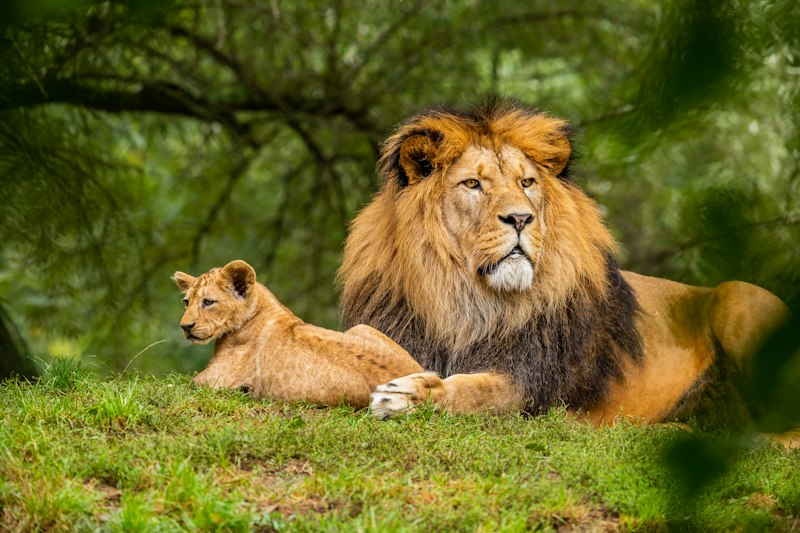
Creating contiguous habitats and migratory passages where human communities and wildlife share landscapes in balance.
Deploying non-invasive sensory barriers, fladry deterrence, and early-warning telemetry before conflict emerges.

Aligning agricultural cycles, forestry practices, and indigenous stewardship to work with natural ecological rhythms.
When empirical science aligns with community needs, non-lethal toolkits protect both rural livelihoods and apex predators.

We begin by analyzing historical predator pathways, seasonal migration corridors, and agricultural interfaces to quantify the root causes of conflict before proposing intervention.

Utilizing GPS wildlife collars, automated camera grid networks, and acoustic bio-monitoring, our researchers gather open-access empirical evidence on non-invasive deterrent efficacy.

Sustainable change requires listening first. We partner directly with farmers, pastoralists, and indigenous stewards to co-design customized protocols and transparent trust pools.

From solar-powered Foxlights and auditory alerts to predator-proof night corrals and mobile range riders, we deploy practical toolkits that safeguard livestock without lethal removal.
“When empirical science listens to community voices, coexistence stops being an idealistic concept and becomes a sustainable daily practice.”For The Future — Field Praxis Protocol
Coexistence looks different in every biome. Click any field card to expand live bio-acoustic telemetry, sensor networks, and quarterly dispatches.

Responding to habitat fragmentation from expanding infrastructure and historic bushfires, this pilot program unites rural landholders to re-establish contiguous arboreal wildlife corridors. Over 350,000 native feed trees have been planted, reconnecting isolated populations and reducing motor vehicle interactions.

Working across a vast 282,000-acre grazing landscape, this project deploys trained human range riders, motion-triggered Foxlights, and turbofladry along fence lines. Documented field results show a 93% decrease in livestock loss without lethal removal of wolf packs.
In the extreme alpine pastures of Nepal, pastoralist communities co-exist with elusive snow leopards. By reinforcing nocturnal corrals with predator-proof mesh roofs and establishing a community-managed livestock insurance trust, retaliatory poaching has reached zero across all partner villages.
The latest findings from For The Future field stations, acoustic telemetry analyses, and community stewardship models worldwide.


Join For The Future and embrace an ecological coexistence consciousness. Connect with a global community dedicated to practical, non-lethal solutions that protect livelihoods while safeguarding our planet's living heritage.